
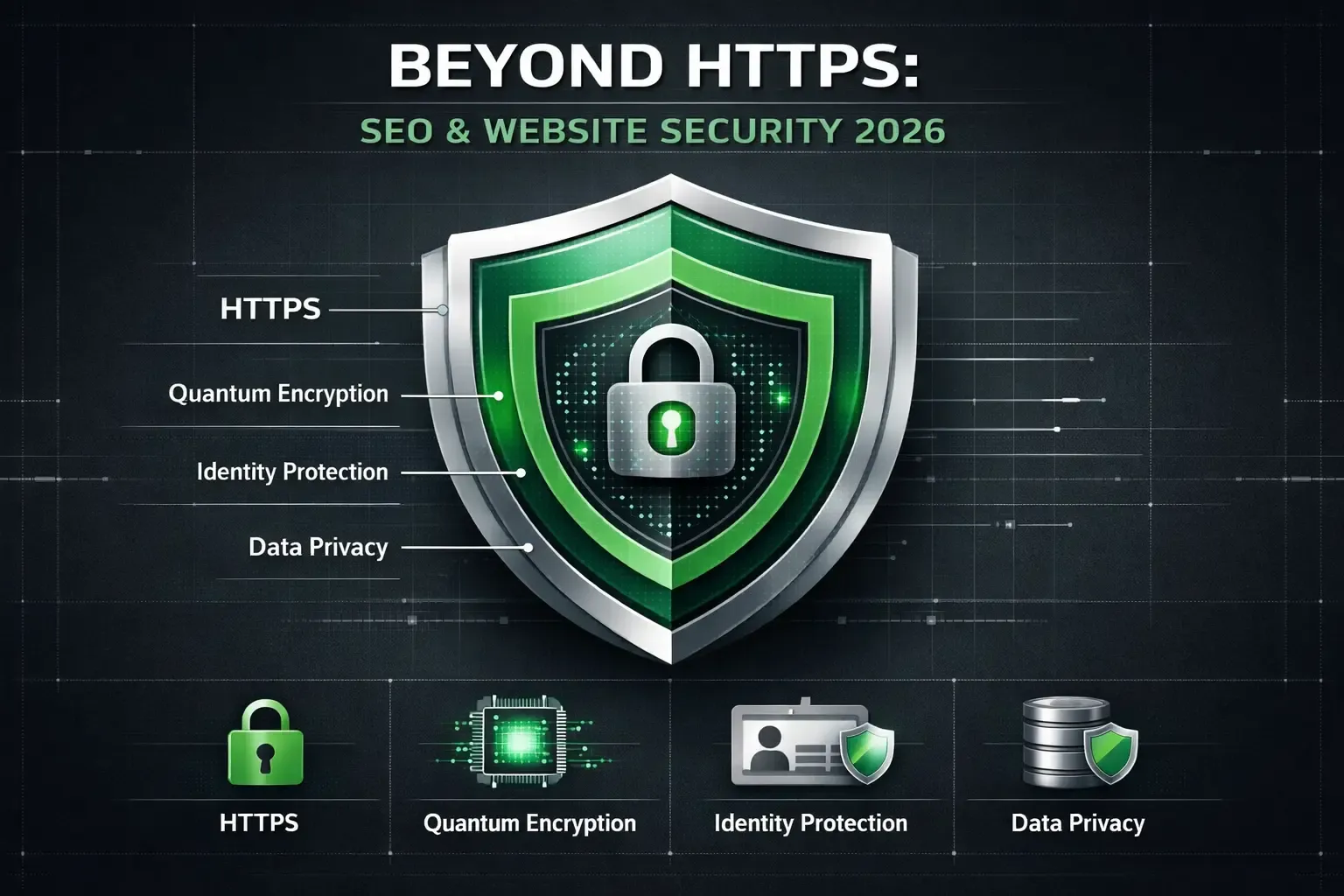
Beyond HTTPS: Website Security as a Key SEO Ranking Factor in 2026
Let’s start with a straight question: Does just having HTTPS mean your website is “safe” and Google will rank it on top? Honestly, no. As an SEO and web development professional, I’ve seen amazing sites lose visitors due to minor security gaps, while simpler websites climb rankings just because they’ve proven trustworthy.
Why Cybersecurity is Now an SEO Essential
In 2026, search engines don’t only care about content and keywords—they care about the trust users feel when browsing your site. Let me tell you a small story: a couple of months ago, I reviewed a small e-commerce website. HTTPS was installed, but some checkout pages were still loading via HTTP internally. Visitors bounced, and the bounce rate shot up. Once we fixed the protocols and enabled HSTS, their keyword rankings started climbing in just a few weeks. Cybersecurity has become a measurable part of user experience!
HTTPS Alone Isn’t Enough
SSL is a great start, but it’s just layer one. If your plugins or server aren’t secure, or if passwords are weak, you’re leaving doors open for hackers. I know it sounds tedious, but search engines notice these things and treat them as ranking factors.
How Good Security Translates to Higher Rankings
Here’s a practical example from my experience: I worked with an educational content website. After implementing full data encryption and strict security policies, something amazing happened—user engagement increased, pages per session rose, and article interaction spiked. This directly boosted their search rankings. Imagine closing every security gap—every visitor becomes extra trust points for Google.
Actionable Steps to Boost Your Site Security
Let’s keep it practical. Here are steps you can start applying today:
1. Ensure HTTPS + HSTS
Make sure every page runs via HTTPS and enable HSTS to prevent unencrypted connections. It seems small, but it makes a huge difference.
2. Continuous Updates
Whether you use WordPress, Joomla, or any other platform, updating themes and plugins protects you from vulnerabilities. Personally, I set a weekly reminder to check updates on every site I manage.
3. Regular Backups
Daily or weekly backups protect you from data loss and allow fast recovery if something goes wrong.
4. Strong Passwords & 2FA
Never rely on weak passwords. Enable two-factor authentication for all admin accounts. Trust me—this simple step prevents many disasters.
Want to Improve Your Website Performance?
Get a free comprehensive analysis of your site speed and SEO performance in seconds
5. Monitor Suspicious Activity
Use server monitoring tools and access logs. Often, these alerts catch intrusion attempts before any real damage occurs.
6. Protect User Data
Encrypt sensitive databases, follow clear privacy policies, and be transparent with visitors. Ignoring this directly affects user trust and SEO ranking.
Security & User Experience: Two Sides of the Same Coin
The average visitor doesn’t know the ins and outs of HTTPS or HSTS, but they know when they feel unsafe. Any warning will make them leave instantly. That’s why I treat security as part of UX: the safer the site, the higher the trust, the longer the session, and the more likely the visitor returns.
Looking Ahead: SEO + Security = Long-Term Strategy
From my perspective, cybersecurity will be a core ranking metric for years to come. Not just HTTPS, but every aspect of protecting user data and managing vulnerabilities. Sites that take security seriously will stay at the top; those that ignore it will gradually fall behind.
My advice: start with a full site audit, identify potential gaps, and implement security measures step by step. Every effort today pays off in user trust, higher rankings, and loyal visitors tomorrow.
A Personal Note
I always like to say: cybersecurity isn’t an extra layer—it’s the foundation for all your SEO and UX strategies. Ignore it, and you’re building on quicksand. Invest in your site’s security now, and you’ll reap higher rankings, more trust, and long-term success. Ready to get started?


No comments yet. Be the first to comment!