
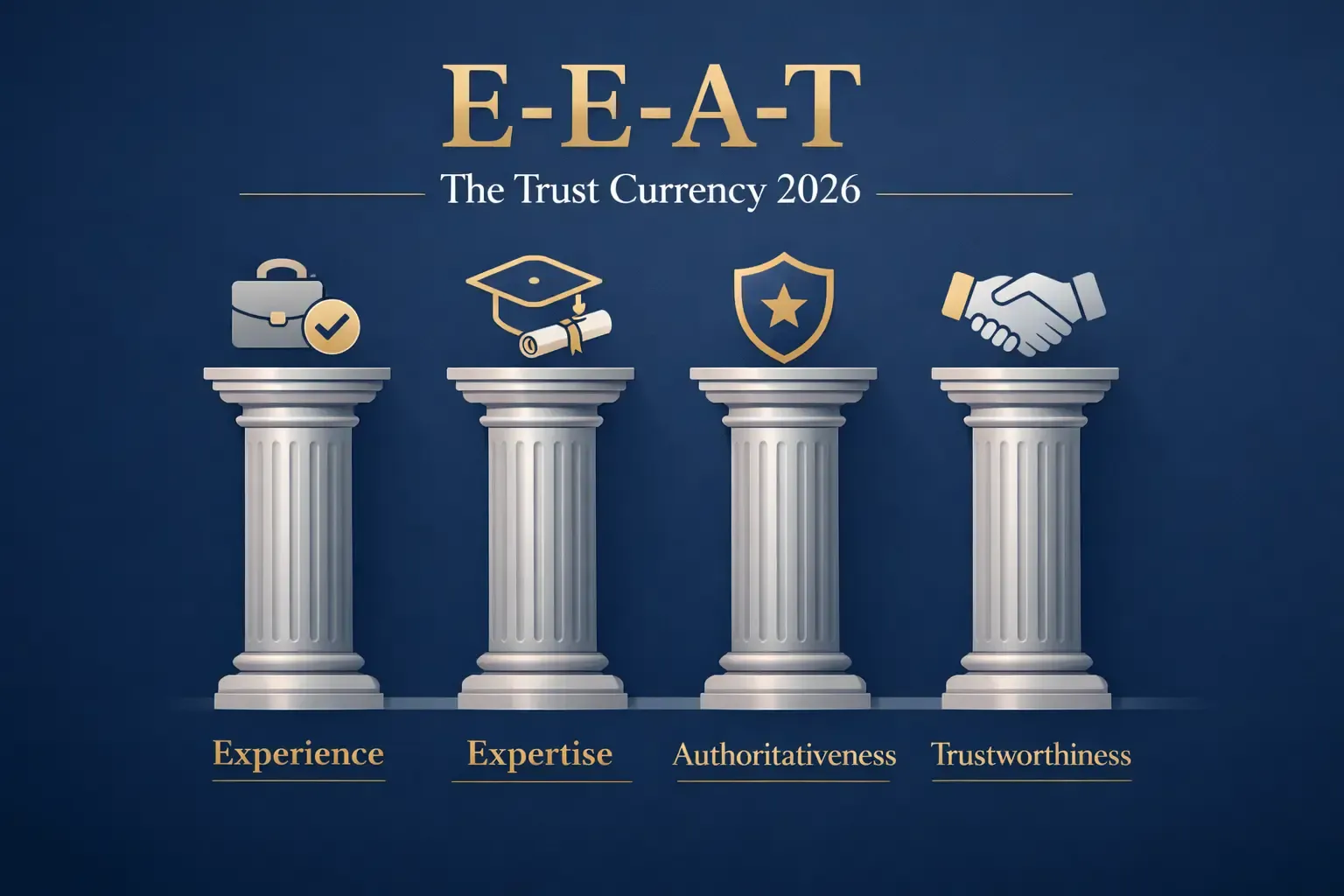
Building Digital Identity: Why E-E-A-T Is the New Trust Currency
Have you ever felt that every website you open needs an ID card? Not literally, but practically, yes. In today’s SEO world, great content alone isn’t enough—you need to show visitors and search engines that you are a trusted expert. This is where E-E-A-T shines: Experience, Expertise, Authoritativeness, and Trustworthiness.
Why E-E-A-T Can’t Be Ignored
The reason is simple: search algorithms now blend human-like and automated signals to evaluate content. Sites lacking author credibility or institutional reputation often lose rankings fast. In my experience, websites that clearly demonstrate their team’s expertise and maintain transparency usually outperform competitors—even in technical or niche topics.
Real-World Example:
I worked with a health website. Once we added detailed “About the Author” pages with credentials, experience, and professional links, plus improved internal linking and references, article rankings rose 25% within three months. Lesson? Trust translates into better rankings.
How to Build a Strong Digital Identity
Digital identity isn’t just a nice logo or an “About Us” page—it’s a series of practical steps that signal trust to users and search engines.
1. Clear Author Attribution
Every article should show who wrote it, with a short bio, experience, and professional photos. Even for small sites, clear author backgrounds matter.
2. Reliable References
Link to recognized sources. Internal and external references enhance credibility. Include citations wherever possible.
3. Regular Content Updates
Old content must be refreshed. In my experience, updating posts with new information improves E-E-A-T and reduces bounce rates.
4. Transparency with Users
Privacy policies, contact info, and data collection methods—all of these signal trust. Sites that hide this information are often penalized by search algorithms.
Want to Improve Your Website Performance?
Get a free comprehensive analysis of your site speed and SEO performance in seconds
5. Build Reputation on External Platforms
Links from reputable sites, customer reviews, and social mentions strengthen credibility. Maintain unified author profiles on LinkedIn or industry platforms.
Common Mistakes That Reduce E-E-A-T
- No author info or credentials.
- Content lacking references or verifiable sources.
- Neglecting to update old content.
- Vague policies or unclear contact details.
Personal Experience
I recall a client whose site had excellent content but no author pages or clear policies. After implementing author profiles, regular updates, and proper referencing, user engagement and trust increased—and the site ranked higher in search results.
Takeaway & Practical Advice
Building a strong digital identity is building trust—and trust leads to better rankings and long-term success. Focus on showing your team’s expertise, ensuring credibility, and keeping content updated. Small steps accumulate, establishing your site as a reliable source.
Remember, E-E-A-T isn’t just an SEO term—it’s the new currency of digital trust. Start today, and you’ll see results in rankings, engagement, and user satisfaction.
This article explains the importance of building digital identity for E-E-A-T, with practical strategies to enhance site and author credibility for both users and search algorithms.


No comments yet. Be the first to comment!